

Rose
Sandra Hüller is extraordinary in Schleinzer’s exploration of gender and freedom.
Austrian director Markus Schleinzer’s latest feature is a quiet and eerie period drama set in rural Germany in the aftermath of the Thirty Years’ War. The monochrome film is an exploration of patriarchy and gender stereotypes driven by convincing performances and exceptional cinematography.
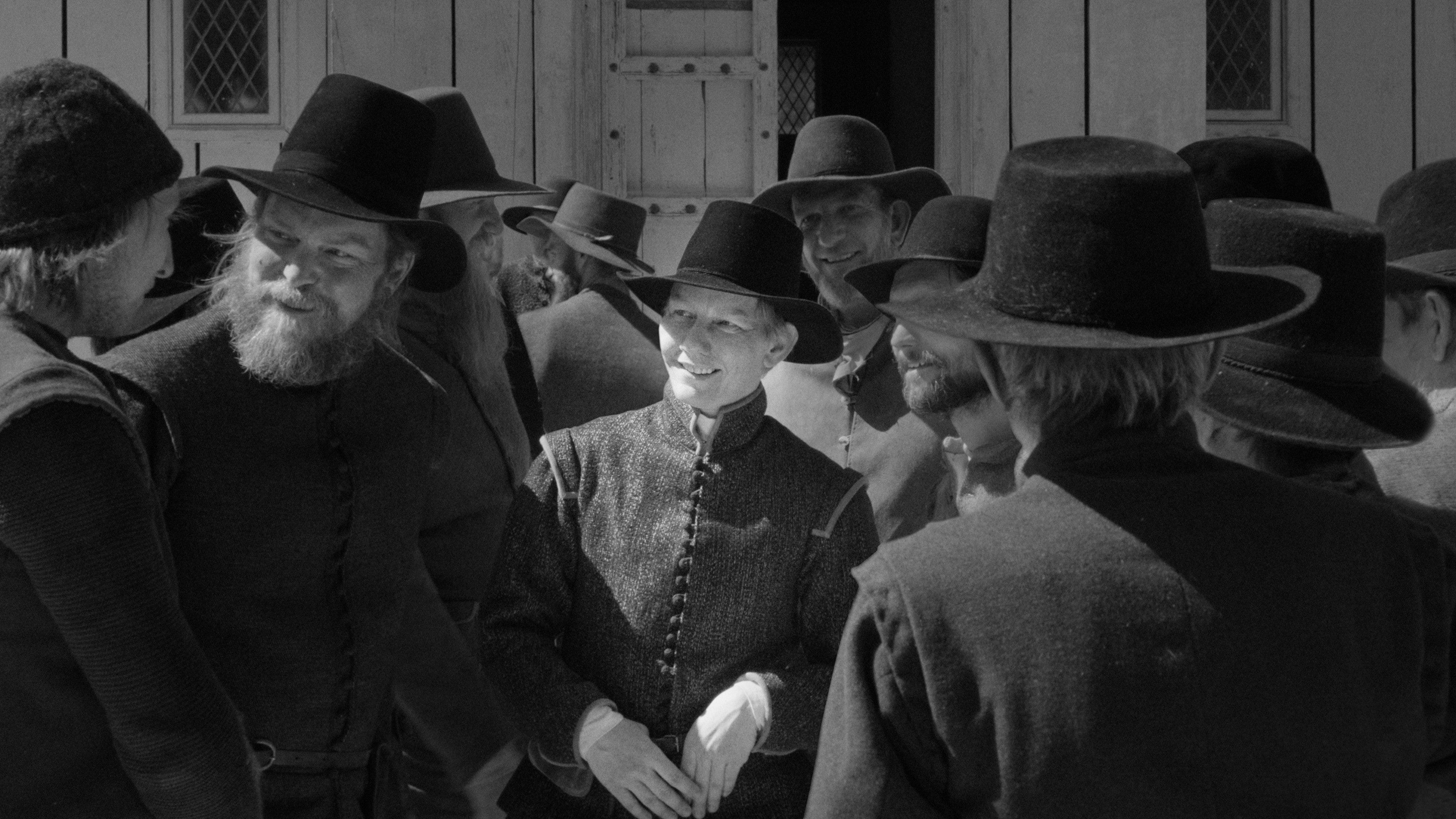
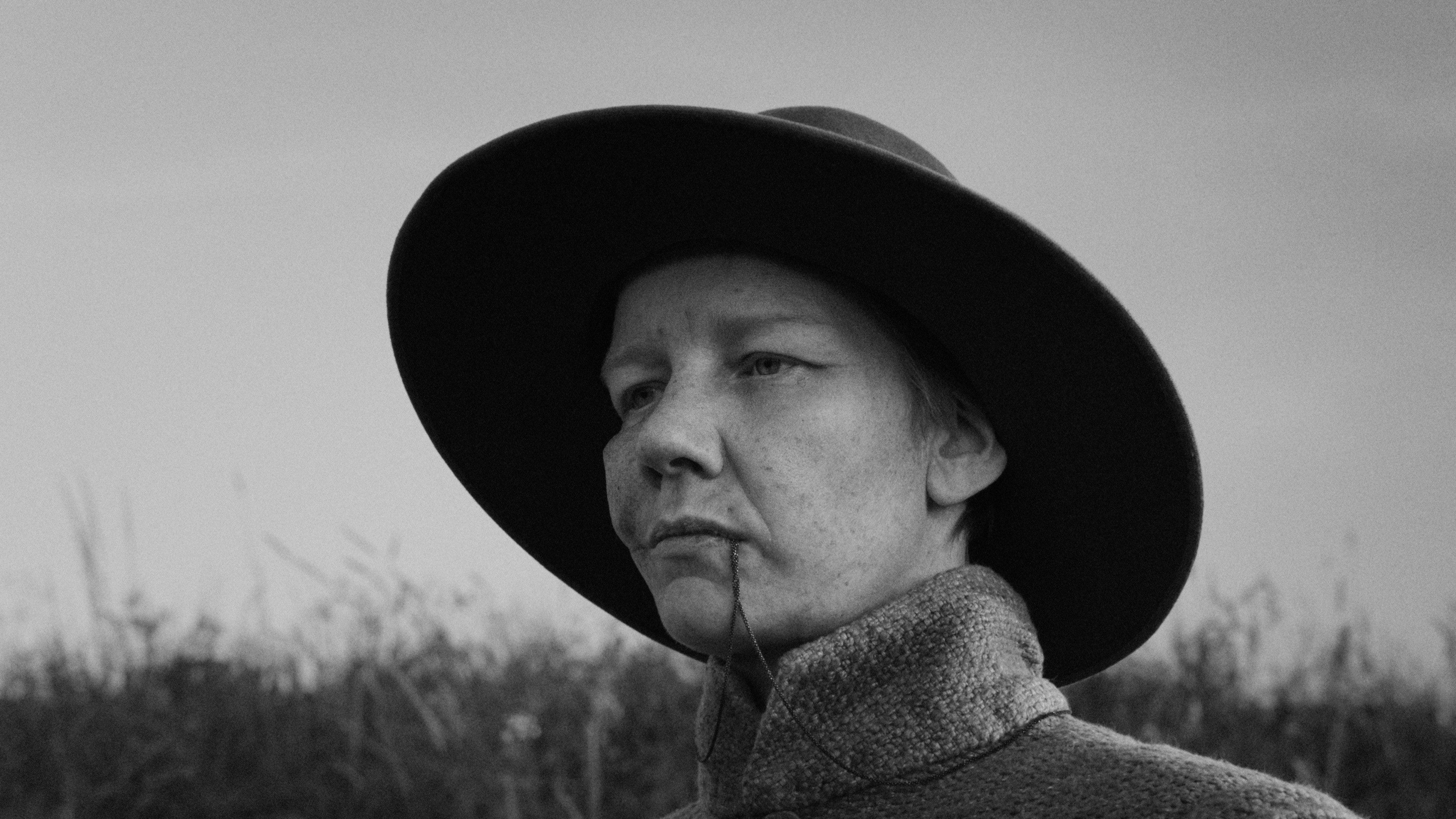
The titular character (Sandra Hüller) is a mysterious soldier who appears in a secluded Protestant village to claim the inheritance of a long abandoned manor. With a bullet wound on her face that distorts any potentially feminine features and wearing shapeless clothing, her disguise is initially not only successful but also indisputable. But as she integrates in the community and marries the daughter of a leading local farmer, her mask inconveniently and momentarily slips, making the villagers question her real identity.
Rose doesn’t exist without Sandra Hüller’s performance and it is no surprise that this one won her the Silver Bear for Best Leading Performance at this year’s Berlinale. Subtle yet convincing, her Rose is a performance of a performance, adjusting her body language to appease both the audience and the villagers. She is simultaneously giving two performances and the one for the audience makes it clear and explicit that she is a woman performing maleness. It’s both in the way that the audiences see the shift from her real self into the persona she performs for other characters as it is in her character’s inclination to educate the villagers and treat everyone around her equally and fairly.
Schleinzer’s film is undoubtedly a terrific achievement in filmmaking and it is hard to find any deficiencies in its technical execution. Where the film might lose some of its audiences, though, is in its conclusion as Rose is forced to comply with increasingly violating demands from the villagers in order to maintain her freedom. It is not unrealistic and one can certainly claim it may be necessary to the story but there is also a level of fatigue that comes with filmmakers, particularly male ones, repeatedly making their female characters endure torture and humiliation in the name of art and entertainment. What helps this film’s case is the fact that its exploration of inequality isn’t only restricted to gender and, as such, it gives the story some leeway to depict the consequences of Rose’s actions as not only a result of her performance of gender but a result of the greater fraud. However, the optics don’t always match the intention and the fact that the film leaves Rose’s relationship with Suzanne and her inner views of her own identity largely underexplored points towards a more one-dimensional story than Rose had potential to be.
Schleinzer’s Rose is not entirely without substance. It’s a film that provides the audiences with lots to chew on even when it doesn’t fully develop all of its concepts. The cinematography reflects a level of craft that one doesn’t find often and Hüller’s performance will undoubtedly be a topic of conversation when the award season rolls around in the late fall.